Black seed oil (Nigella sativa) has been used for centuries. Here is what research says about its benefits for cholesterol, blood sugar and more, how to use it, and who should be careful.
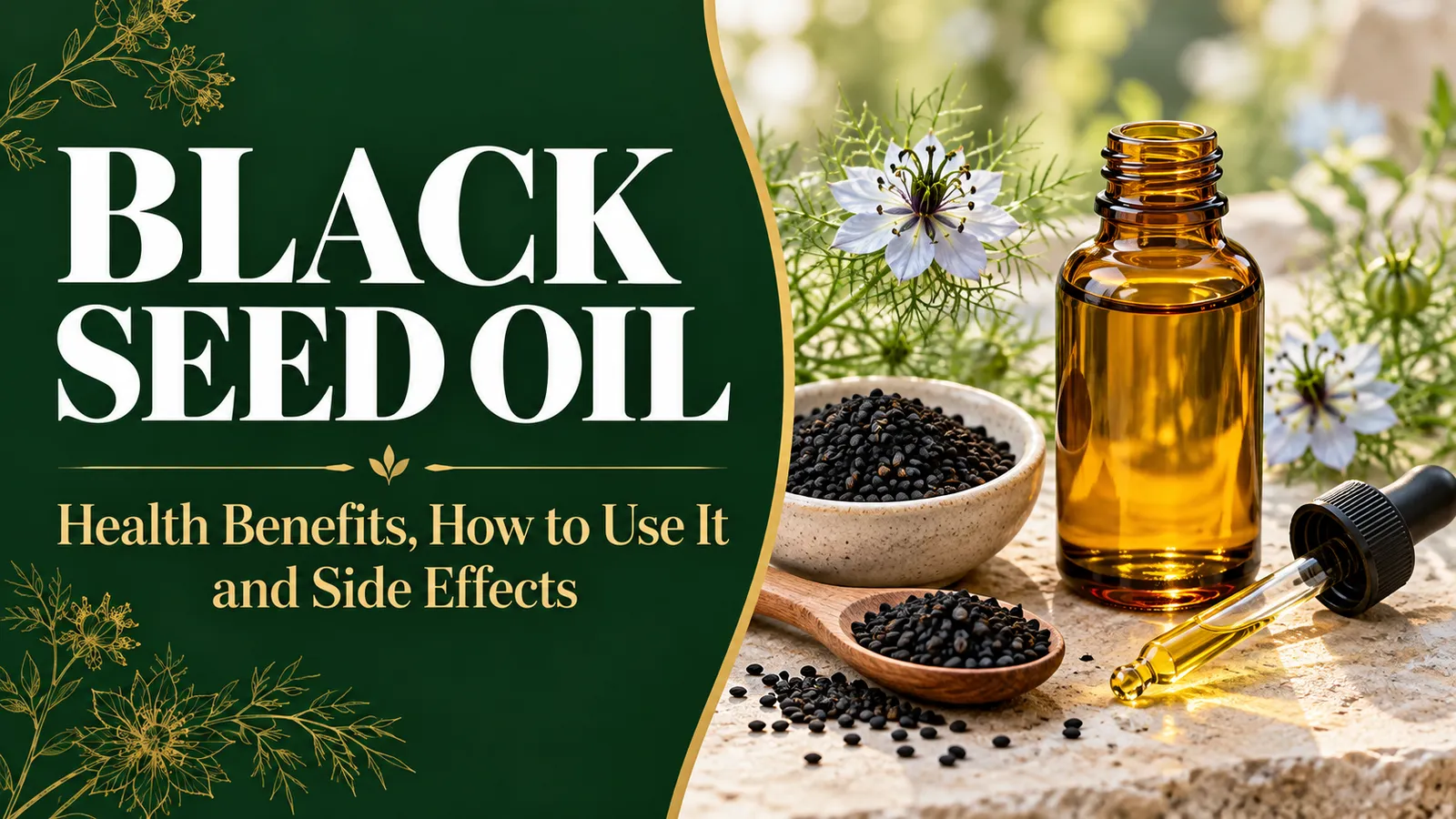
Black seed oil, pressed from the seeds of Nigella sativa (also called black cumin or kalonji), has been used for centuries in African, Middle Eastern and Asian traditional medicine. Today it is one of the most popular natural oils in Ghana. Here is what it is, what the research actually says, how to use it and what to watch out for.
What is black seed oil?
Black seed oil comes from small black seeds of the Nigella sativa plant. Its best-known active compound is thymoquinone, which has antioxidant properties. The oil has a strong, peppery, slightly bitter taste.
You can buy it as oil or as whole seeds: Black Seed Oil 500ml and Black Seeds (whole).
What does research say about black seed?
Cholesterol and blood fats
This is where the evidence is strongest. Reviews of randomised trials published in 2024 found that Nigella sativa supplementation was associated with lower total cholesterol, triglycerides and LDL (“bad”) cholesterol.
Blood sugar
The same reviews reported improvements in fasting blood sugar and HbA1c in several trials. This is promising for people with prediabetes or type 2 diabetes, but it means people on diabetes medicine must be careful (see side effects).
Blood pressure
Results are less consistent. One 2024 systematic review found that only one out of five trials showed significant blood pressure improvement.
Skin and hair
Black seed oil is widely used on dry skin and the scalp. Evidence here is mostly traditional and small-scale, but many people enjoy it as a nourishing oil.
Important: many studies used capsules or extracts at measured doses, were small and short, and varied in quality. Black seed oil may support health, but it is not a cure and does not replace medicines prescribed by your doctor.
How to use black seed oil
- By mouth: a common amount is about 1 teaspoon daily, taken with honey, in warm water, or with food to reduce the strong taste and stomach upset.
- In food: drizzle small amounts over salads or mix into honey. Avoid high-heat frying, which damages the oil.
- On skin and hair: massage a few drops into dry skin or the scalp. Do a patch test first.
- Whole seeds: sprinkle on bread, porridge, rice or stews, or grind and mix with honey.
Store the oil in a cool, dark place and close it tightly.
Side effects and safety
- Stomach upset: nausea, bloating or indigestion, especially on an empty stomach.
- Skin reactions: some people develop rashes when applying it to the skin.
- Low blood sugar and blood pressure: because black seed may lower blood sugar and possibly blood pressure, it could add to the effect of medicines for diabetes or hypertension. Monitor carefully and talk to your doctor.
- Bleeding risk: be cautious if you take blood thinners or have surgery planned.
- Pregnancy: avoid medicinal amounts during pregnancy unless your doctor approves.
Who should talk to a doctor first
- People with diabetes or high blood pressure taking medication
- People on blood thinners
- Pregnant or breastfeeding women
- People with kidney or liver disease
Black seed oil and a healthy lifestyle
Black seed oil works best as part of healthy habits: more vegetables and whole foods, less sugar and fried food, regular exercise and good sleep. You might also like our guides to cinnamon’s health benefits and how to boost your immune system naturally.
Frequently asked questions
What is black seed oil good for?
Research suggests it may help improve cholesterol and blood sugar levels. It is also used traditionally for immunity, respiratory wellness, skin and hair. Evidence is promising but not conclusive.
How much black seed oil should I take daily?
Around 1 teaspoon a day is commonly used. Follow the label and speak to a health professional if you have a medical condition.
Can I take black seed oil every day?
Many people take it daily in moderate amounts. Long-term safety data in humans are limited, so moderation and medical advice are sensible if you have health conditions.
Is black seed oil the same as black cumin?
Yes. Nigella sativa is often called black cumin, black seed or kalonji. It is different from ordinary cumin used in cooking.
Health disclaimer: This article is for general information and does not replace medical advice. Natural products can interact with medicines. Consult a qualified health professional before use, especially if you are pregnant or have a medical condition.
 Black Seed Oil 500ml | Cold-Pressed Nigella Sativa Oil in Gh...
₵ 350
Black Seed Oil 500ml | Cold-Pressed Nigella Sativa Oil in Gh...
₵ 350
 Black Seeds | Whole Nigella Sativa Seeds in Ghana
₵ 200
Black Seeds | Whole Nigella Sativa Seeds in Ghana
₵ 200
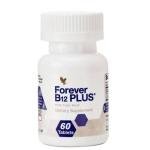 Forever B12 Plus | Vitamin B12 and Folic Acid Tablets for En...
₵ 287
Forever B12 Plus | Vitamin B12 and Folic Acid Tablets for En...
₵ 287
Supplements support general wellbeing and are not a substitute for medical treatment. Talk to your doctor if you have a medical condition or take other medicines.

About the Author
Isaac Mintah
Entrepreneur, Author & Emotional Intelligence Coach. Founder of Activezoon Universal Limited Company.
Grab a Copy
Emotional Intelligence For Career Growth
Isaac Mintah's flagship book — get your copy now from Amazon or Jumia Ghana.
Leave a comment
Your email address will not be published. Required fields are marked *