
Emotional intelligence can be learned. Here are 12 practical, everyday ways to improve your self-awareness, self-control, empathy and relationships at work and at home.
Emotional intelligence (EI) is your ability to recognise, understand and manage your own emotions, and to recognise and respond well to the emotions of others. It shapes how you handle pressure, how you lead, how you resolve conflict and how people experience working with you.
The good news is that emotional intelligence is not fixed. Unlike IQ, it can be developed with deliberate practice. As an emotional intelligence coach, I have seen students, professionals and leaders change how they react, communicate and lead within weeks of practising a few simple habits. Here are twelve that work.
The five parts of emotional intelligence
Psychologist Daniel Goleman popularised a framework with five components. Keep them in mind as you practise:
- Self-awareness: knowing what you feel and why.
- Self-regulation: managing your emotions and impulses.
- Motivation: being driven by purpose and goals, not only external rewards.
- Empathy: understanding how others feel.
- Social skills: building relationships, influencing and handling conflict.
12 practical ways to improve your emotional intelligence
1. Name your emotions precisely
“I’m fine” and “I’m upset” are too vague. Practise naming exactly what you feel: frustrated, disappointed, anxious, embarrassed, overwhelmed, jealous. Research on “affect labelling” suggests that putting feelings into words can reduce their intensity. Try it three times a day: stop and ask, “What exactly am I feeling right now?”
2. Keep a short emotion journal
Each evening, write down one situation that triggered a strong emotion, what you felt, what you did and what you would do differently. After two weeks you will see patterns: the people, times and situations that trigger you most.
3. Pause before you respond
The gap between a trigger and your reaction is where emotional intelligence lives. When you feel heat rising, take three slow breaths or count to ten before replying, especially before sending that WhatsApp message or email. If needed, say: “Let me get back to you on this.”
4. Learn your triggers
Being interrupted, being corrected in public, lateness, feeling disrespected: most of us have a few specific triggers. Once you know yours, you can prepare for them instead of being surprised by them every time.
5. Ask for honest feedback
We rarely see ourselves as others do. Ask two or three people you trust: “How do I come across when I’m under pressure?” and “What is one thing I could do better in how I communicate?” Listen without defending yourself, and thank them.
6. Practise active listening
Most people listen to reply, not to understand. In your next conversation, focus fully on the speaker, avoid interrupting, and summarise what you heard before giving your view: “So what you’re saying is…” This single habit improves relationships at work and at home.
7. Look for the feeling behind the words
Empathy means noticing what people are not saying. A colleague who snaps about a small issue may be stressed about something else. Ask: “You seem under pressure. Is everything okay?” You do not have to agree with people to understand them.
8. Respond to criticism with curiosity
When you receive criticism, your first instinct is to defend or attack. Instead, ask a clarifying question: “Can you give me an example?” Separate the message from the delivery, take what is useful, and let the rest go.
9. Manage stress before it manages you
Stress shrinks your emotional capacity. Sleep, exercise, prayer or meditation, time in nature and honest conversations all increase your ability to stay calm under pressure. Low emotional reserves make everyone less emotionally intelligent.
10. Take responsibility for your moods
Others can trigger your emotions, but you choose your response. Replace “He made me angry” with “I felt angry when he…”. This small shift moves you from blame to control.
11. Practise gratitude and optimism
Emotionally intelligent people are realistic but hopeful. Write down three things that went well each day. Over time, this trains your mind to notice progress and opportunities, not only problems.
12. Resolve conflict early and respectfully
Small unresolved issues grow into big ones. Address conflict privately, describe the behaviour (not the person), explain its impact, and agree on a way forward. For example: “When the report came in late, I had to delay the client. Can we agree on a check-in two days before deadlines?”
Why emotional intelligence matters for your career
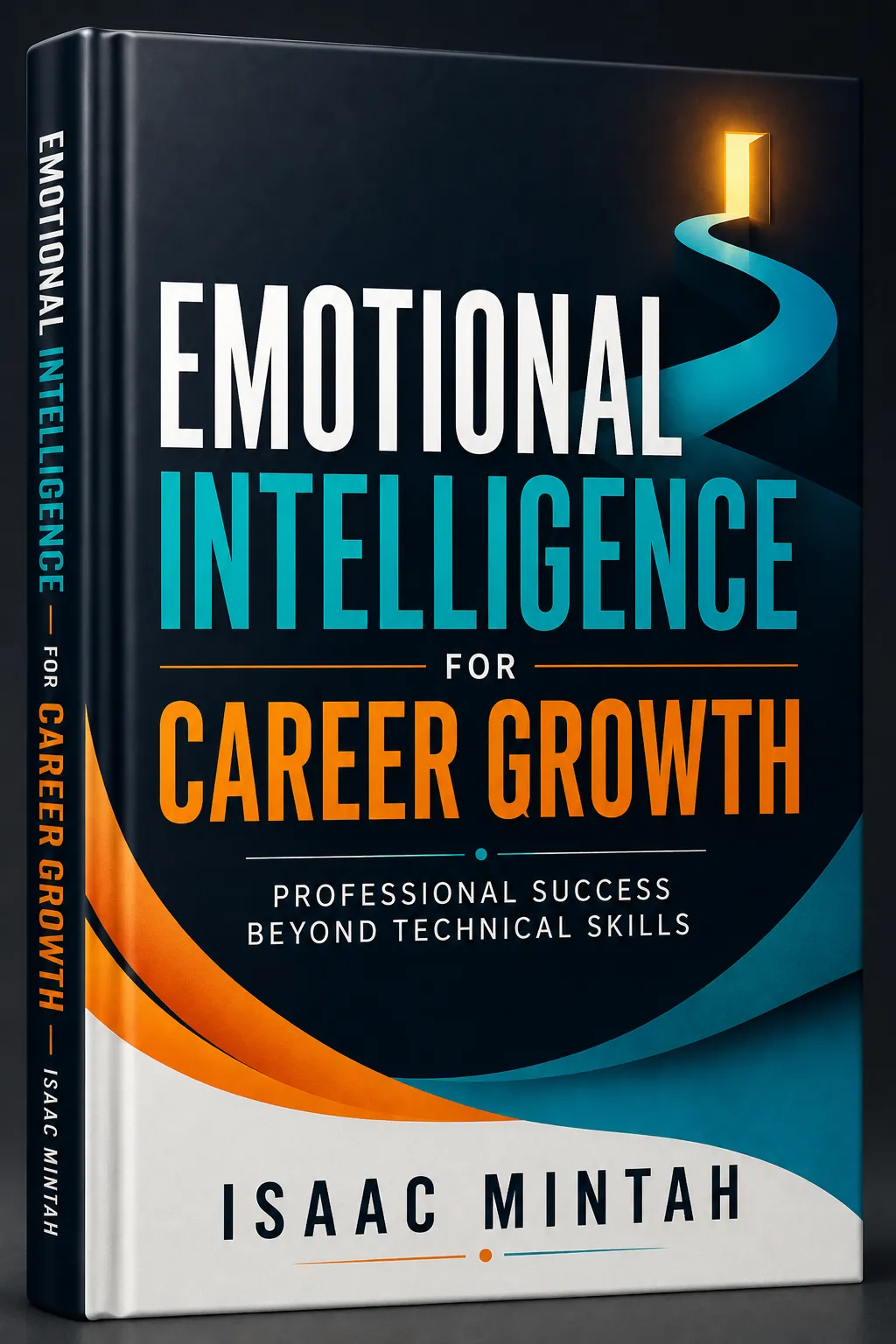
Technical skills get you hired; emotional intelligence often determines how far you go. Leaders with high EI build trust, manage teams through change and handle difficult conversations well. Employees with high EI collaborate better and recover faster from setbacks. I explore this in detail in Emotional Intelligence for Career Growth and in my book Emotional Intelligence for Career Growth.
A simple 30-day EI challenge
| Week | Focus | Daily practice |
|---|---|---|
| 1 | Self-awareness | Name your emotions 3 times a day; write one journal entry each evening |
| 2 | Self-regulation | Pause and breathe before responding to any trigger; no emotional messages after 9pm |
| 3 | Empathy | In one conversation daily, listen fully and summarise before responding |
| 4 | Relationships | Give one sincere compliment daily; resolve one pending misunderstanding |
Frequently asked questions
Can emotional intelligence really be improved?
Yes. Emotional intelligence is a set of skills, and skills improve with practice and feedback. Most people notice changes within a few weeks of consistent practice.
What is the fastest way to improve emotional intelligence?
Start with self-awareness: name your emotions precisely and pause before reacting. These two habits create the space for every other EI skill.
What are signs of low emotional intelligence?
Common signs include frequent emotional outbursts, difficulty accepting feedback, blaming others, poor listening, and struggling to understand how others feel.
Is emotional intelligence more important than IQ?
Both matter. IQ helps you solve problems and learn technical skills, while emotional intelligence strongly influences leadership, teamwork and how you handle pressure. In many careers, EI is what separates good performers from great leaders.
Want structured, personal support? My Emotional Intelligence Coaching helps individuals and teams build self-awareness, manage pressure and lead with empathy. You can book a session online.

Work with Isaac Mintah, EI & Leadership Coach, to develop self-awareness, emotional control, and the human skills that drive career growth and lasting professio...


About the Author
Isaac Mintah
Entrepreneur, Author & Emotional Intelligence Coach. Founder of Activezoon Universal Limited Company.
Grab a Copy
Emotional Intelligence For Career Growth
Isaac Mintah's flagship book — get your copy now from Amazon or Jumia Ghana.
Leave a comment
Your email address will not be published. Required fields are marked *