
Prostate cancer is one of the most common cancers in Ghanaian men, and early detection saves lives. Learn the signs, who should be screened, PSA tests, treatment options, and how to avoid false cures.

Prostate cancer is one of the most common cancers among men in Ghana, and men of African descent are at higher risk of developing it, often at a younger age and in more aggressive forms. Yet many cases are diagnosed late, when treatment is harder. The single most important step is early detection. There is no herbal medicine or supplement that cures prostate cancer; effective treatment comes from specialist medical care.
Who is at higher risk?
- Men over 40–45, with risk rising with age
- Men of African descent
- Men whose father or brother had prostate cancer
- Possibly men with obesity and diets high in processed and red meat
Possible signs
Early prostate cancer often causes no symptoms. When symptoms appear, they may include:
- Weak or interrupted urine flow, frequent urination at night
- Difficulty starting or stopping urination
- Blood in urine or semen
- Pain in the lower back, hips or bones (in advanced disease)
- Unexplained weight loss and tiredness
Many urinary symptoms are caused by benign prostate enlargement (BPH), not cancer, but only a medical check can tell the difference.
Screening: the PSA test
- A PSA blood test measures prostate-specific antigen; a high level can signal a prostate problem, including cancer.
- A doctor may also do a digital rectal examination.
- If results are abnormal, further tests (MRI, biopsy) confirm the diagnosis.
- Men in Ghana should discuss screening with a doctor from around age 40–45, earlier with a family history.
Treatment options
Treatment depends on the stage, the cancer’s aggressiveness, age and overall health. Options offered by urologists and cancer centres (such as Korle Bu, Komfo Anokye and other teaching hospitals) include:
- Active surveillance for some slow-growing, early cancers
- Surgery to remove the prostate
- Radiotherapy
- Hormone therapy to slow cancer growth
- Chemotherapy and newer medicines for advanced disease
Early-stage prostate cancer is often highly treatable. Delaying care while trying unproven remedies can allow the cancer to spread.
Beware of “cure” products
Products sold online or in markets as “prostate cancer treatment medicine” are not proven to treat cancer, and some may interact with cancer treatment or harm the liver or kidneys. Always tell your cancer doctor about any herbal product or supplement you take.
Supporting your health during and after treatment
- Eat plenty of vegetables, fruit, beans and fish; reduce processed meat.
- Stay active as your doctor advises.
- Maintain a healthy weight and avoid smoking.
- Seek emotional support; a cancer diagnosis affects the whole family.
For general prostate wellness and urinary health after 40, see prostate health after 40.
Frequently asked questions
Can prostate cancer be cured?
Yes, when found early, prostate cancer can often be cured with surgery or radiotherapy. Advanced cancer can be controlled for years with treatment.
Is there a herbal medicine for prostate cancer?
No herbal medicine has been proven to cure or shrink prostate cancer. Use only treatments recommended by your cancer specialist.
At what age should men in Ghana check for prostate cancer?
Discuss PSA testing with your doctor from around 40–45, earlier if a close relative had prostate cancer.
Does frequent night urination mean prostate cancer?
Not necessarily. It is often due to benign enlargement, infection, diabetes or drinking late. But it should be checked.
Medical disclaimer: This article provides general health information and does not replace professional diagnosis or treatment. See a urologist or qualified doctor about prostate symptoms and screening.
 Prostate Health After 40 and Male Fertility: Signs, Screening and Natural Suppor...
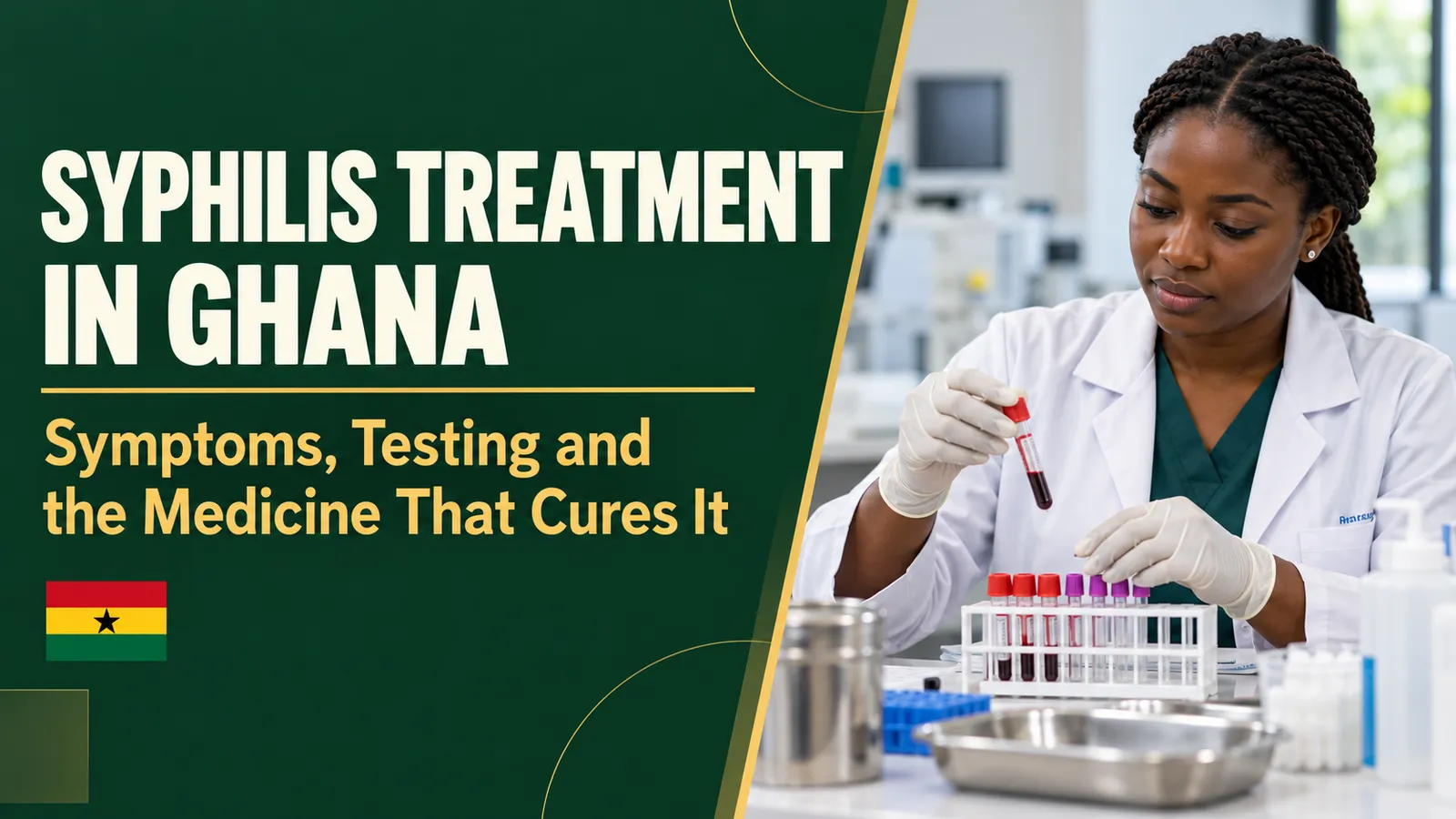 Syphilis Treatment in Ghana: Symptoms, Testing and the Medicine That Cures It
 STIs in Ghana: Chlamydia, Gonorrhoea, Herpes, Genital Warts and PID, Symptoms an...
These guides are general information. For diagnosis and treatment, see a qualified health professional.

About the Author
Isaac Mintah
Entrepreneur, Author & Emotional Intelligence Coach. Founder of Activezoon Universal Limited Company.
Grab a Copy
Emotional Intelligence For Career Growth
Isaac Mintah's flagship book — get your copy now from Amazon or Jumia Ghana.
Leave a comment
Your email address will not be published. Required fields are marked *